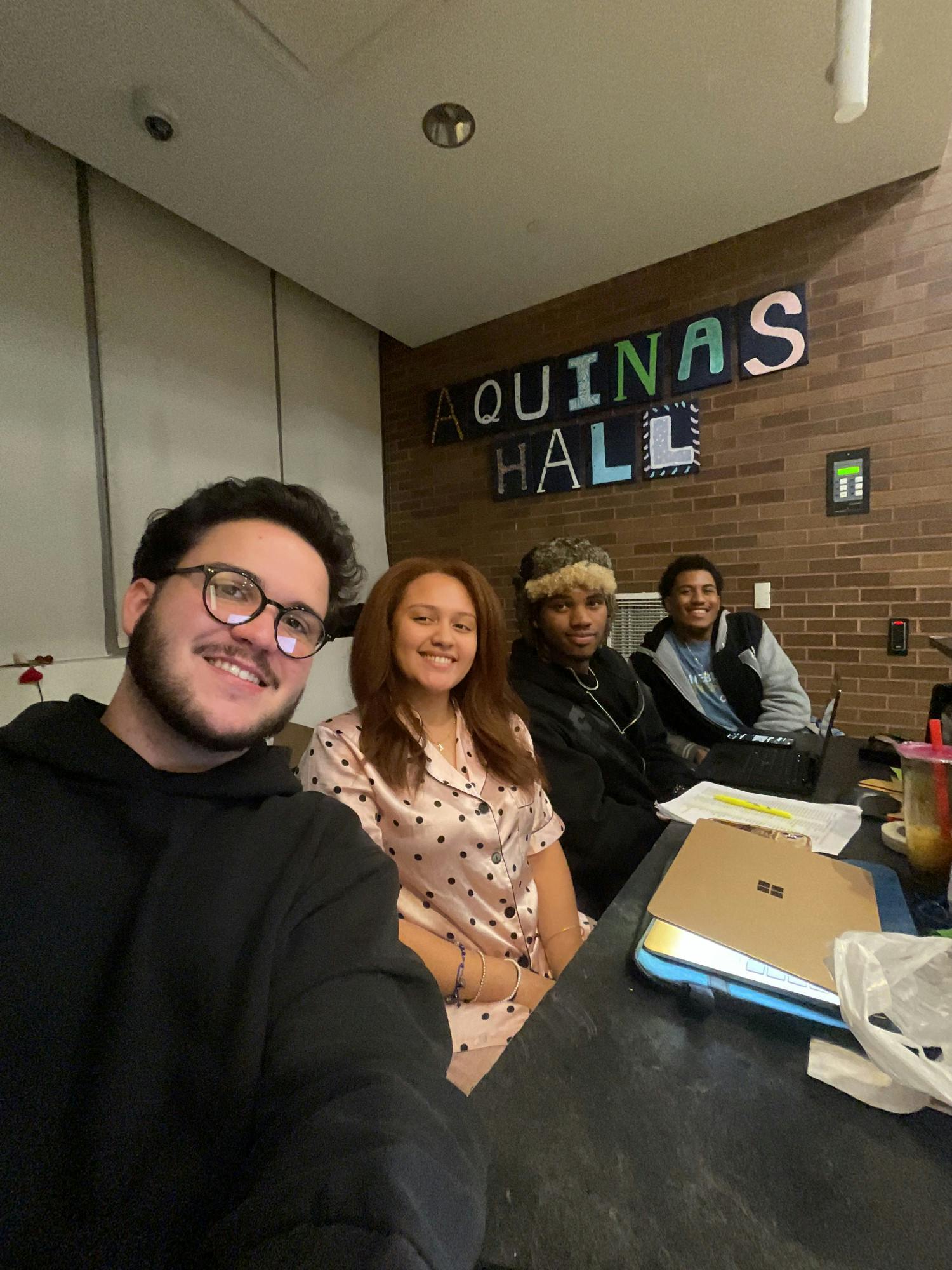
While most Seton Hall students are sleeping, resident assistant (RA) Lamont Howard is still awake, working in the residence halls, ensuring everything is in place for the next morning.
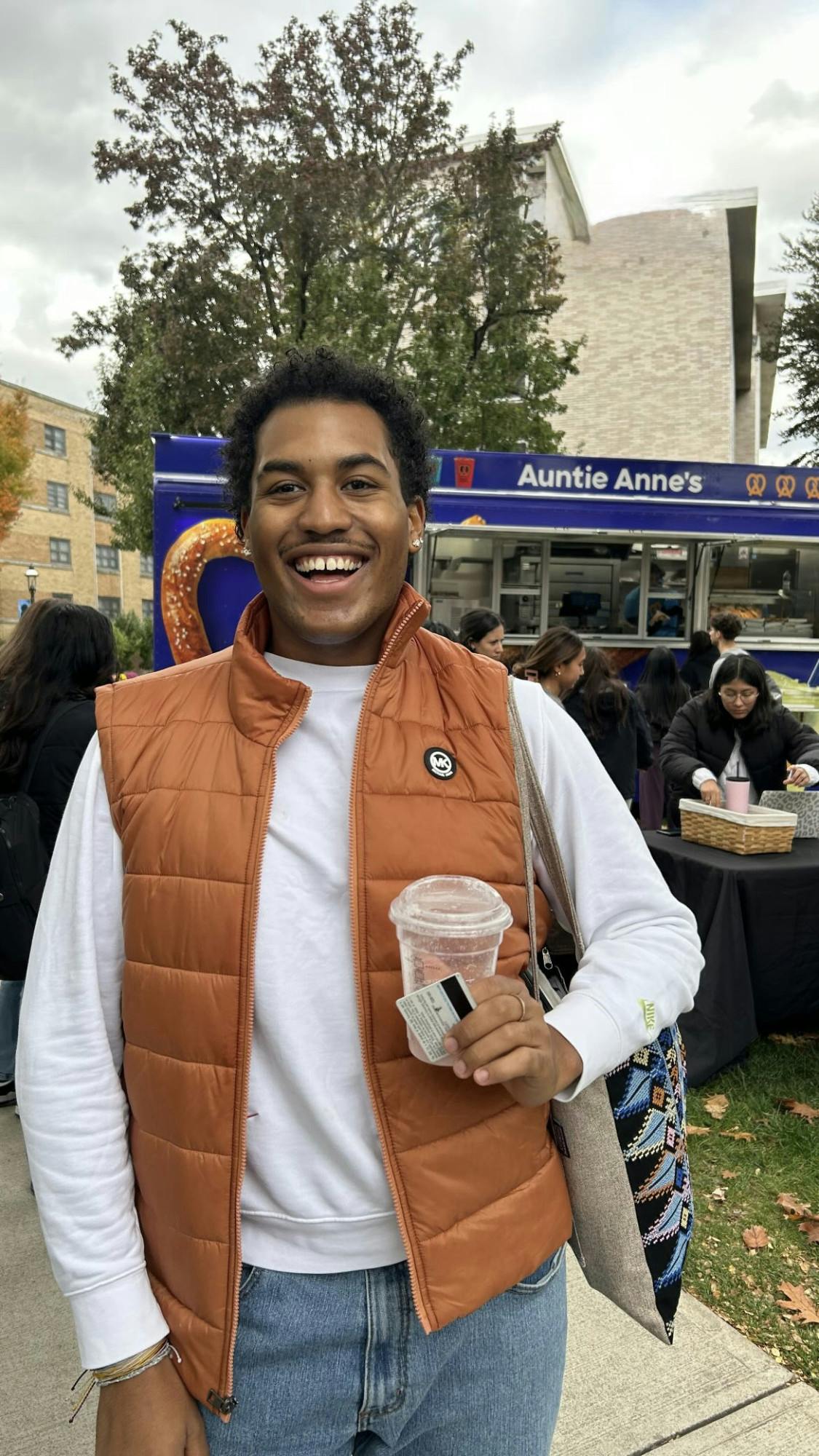
For Howard, being an RA is about much more than enforcing rules. It’s about leadership, mentorship and serving as a support system for students as they navigate college life.
“People always look at you as an RA no matter where you are,” Howard said. “You always have to carry yourself a certain way.”
RAs have big shoes to fill on campus. They are responsible for enforcing university policies while also building personal connections with their residents. Howard said balancing authority with approachability can sometimes be challenging.
One of the most important parts of the job, he said, is helping residents through conflicts and stressful situations. Rather than immediately trying to solve a problem, Howard said RAs first must listen carefully and make students feel heard.
“Just listening,” Howard said. “Making sure you don’t look like you don’t care and giving them your full attention.”
Patience and neutrality are essential skills, especially when mediating disagreements between residents. Howard said students are more likely to trust their RA when they feel respected and understood.
The role also requires strong time management skills. Alongside classes, social commitments and personal responsibilities, RAs must remain available to assist residents when needed.
“You have classes, you have duty, everything just gets added on,” Howard said. “The hardest part is definitely the time management aspects.”
Since unexpected, emergency situations can arise at any moment, Howard said the position has helped him become more independent and better prepared to react under pressure.
“I’ve definitely developed my conflict resolution skills,” Howard said. “Being more independent, quick thinking, situations like that.”
For Howard, one of the most rewarding parts of being an RA is seeing students grow throughout the year. As an RA in Boland Hall, he works closely with first-year students as they adjust to college life, so seeing them come out of their shell is very important to him.
“It’s just rewarding having a certain amount of people that you bond with, click with, and just knowing that you connect with them,” Howard said.
Howard said building those relationships takes time and effort, but even small interactions can help residents feel supported.
“It’s just taking time, listening to them, remembering little things,” Howard said. “It goes a long way.”
Beyond their day-to-day responsibilities, RAs also organize events and programs designed to bring residents together and provide an opportunity to get involved.
Howard said his favorite event was a Black History Month program that encouraged students to participate in activities and conversations with one another.
“It was something interactive,” Howard said. “It got people to come over to the table and just start talking.”
Another important aspect of being an RA is safety. Howard said RAs conduct monthly room checks, respond to emergencies and help maintain a safe living environment. “You have to make sure residents feel safe and know someone is there for them,” Howard said.
To prepare for those responsibilities, RAs complete training sessions in the spring, summer and winter. Still, Howard said there is no substitute for firsthand experience.
“You learn the most actually being in the position,” Howard said.
Although the role can be stressful and demanding, Howard said the experience prepares students for life after college by equipping them with leadership and communication skills that can be applied in future careers.
For Howard, being an RA is not about policing a residence hall. It’s about being a dependable presence, supporting students and creating connections that positively shape a student’s college experience.
Evan Rodriguez is a guest writer for The Setonian. He can be reached at evan.rodriguez@student.shu.edu