
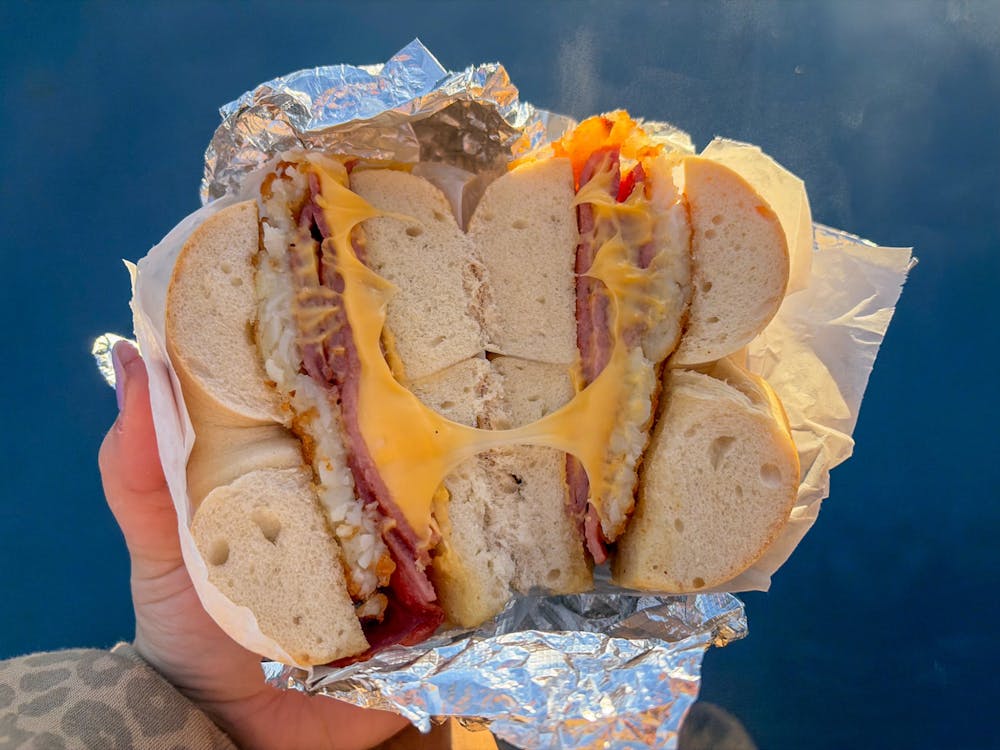
Seton Hall Athletics announced a complete revamp of its nutrition program this week, introducing a diet made up exclusively of New Jersey’s most iconic foods. The initiative replaces traditional performance-based meal planning with a standardized menu rooted in convenience and cultural familiarity.
The new diet consists primarily of Taylor Ham (or pork roll), bagels, Jersey Shore saltwater taffy, Italian hot dogs and anything on the shelf at Wawa. Candied apples, created in nearby Newark in 1908, have replaced protein bars as a featured snack option, cited for their “historical significance” and blood sugar boost. The program also eliminates water as a primary hydration source, substituting it with cranberry juice, the state’s official beverage, with coaches citing its “natural acidity” as a key benefit.
Athletics officials have framed the change as a logistical solution to the challenges of maintaining consistent nutrition among student-athletes with demanding academic and extracurricular schedules. The program uses widely available, locally sourced food options to reduce the need for extensive meal preparation.
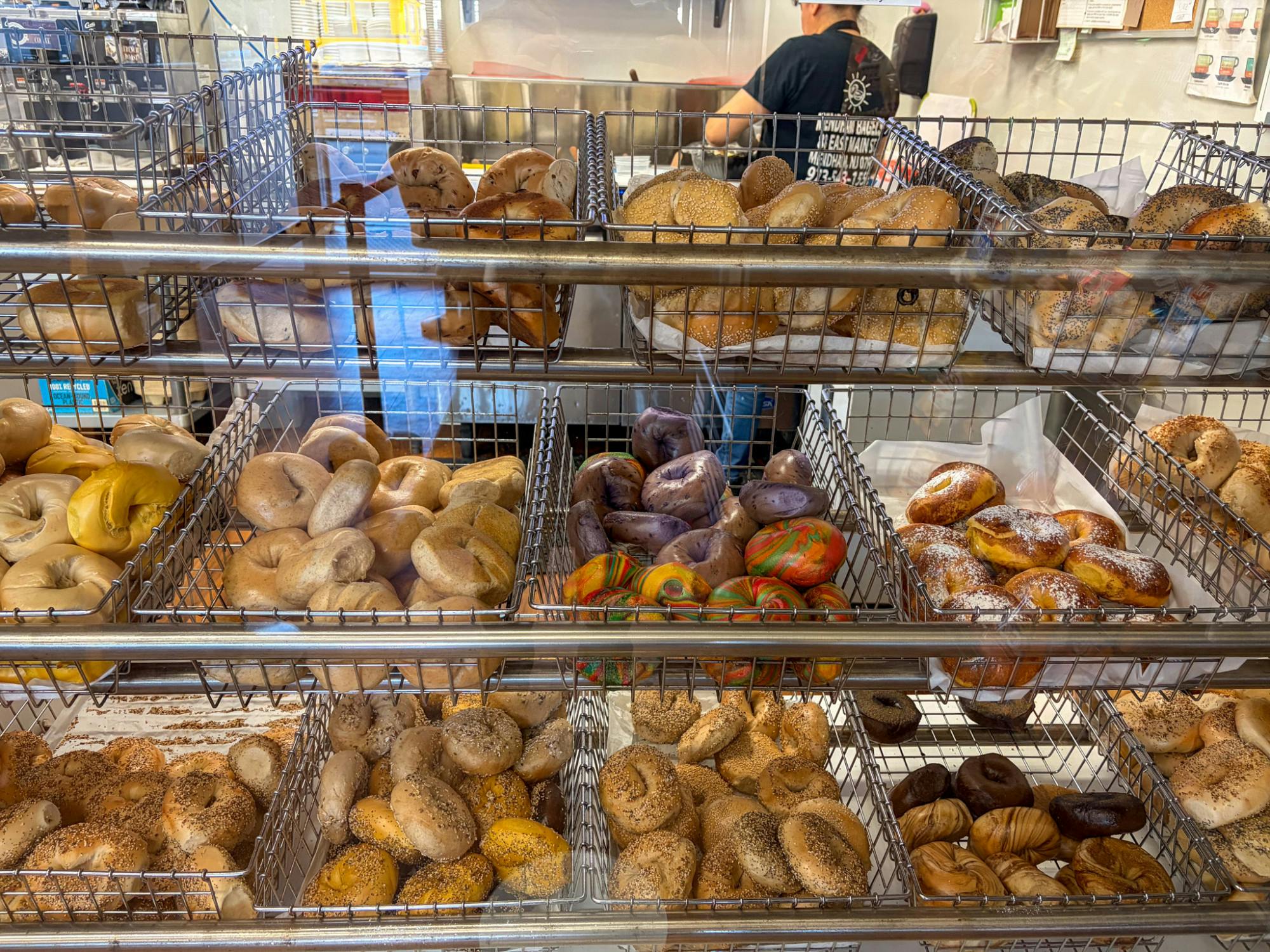
The change is intended to simplify fueling strategies, moving toward consistency and access, with most meals available within minutes of campus. Additionally, the shift marks a departure from conventional nutrition strategies, which often emphasize balance and portion control. Instead, SHU’s approach focuses on accessibility, flavor, caloric density and late-night availability. The plan also accounts for the social dimension of eating, incorporating group-based routines that align with existing student habits.
Early results indicate a boost in team morale, athletic performance and overall enthusiasm. Athletes bond over a shared schedule of late-night food runs, group Wawa hoagie orders and high-carb post-practice meals. These routines have effectively replaced individualized nutrition practices, creating a more unified approach to eating.
The diet has quickly become a part of daily athletics operations. Bagels and processed breakfast meats, like scrapple and Taylor Ham, fuel baseball players before early games, while Italian hot dogs and meatball subs are served to the basketball team as recovery meals.
Athletics maintains that the New Jersey diet represents a new frontier in sports performance—one rooted in tradition, convenience and a steady intake of salt.
DISCLAIMER: The Shhh…tonian is a satirical version of The Setonian. These stories shouldn’t be taken seriously.
Megan Pitt is the head editor of The Setonian’s News section. She can be reached at megan.pitt@student.shu.edu.


