
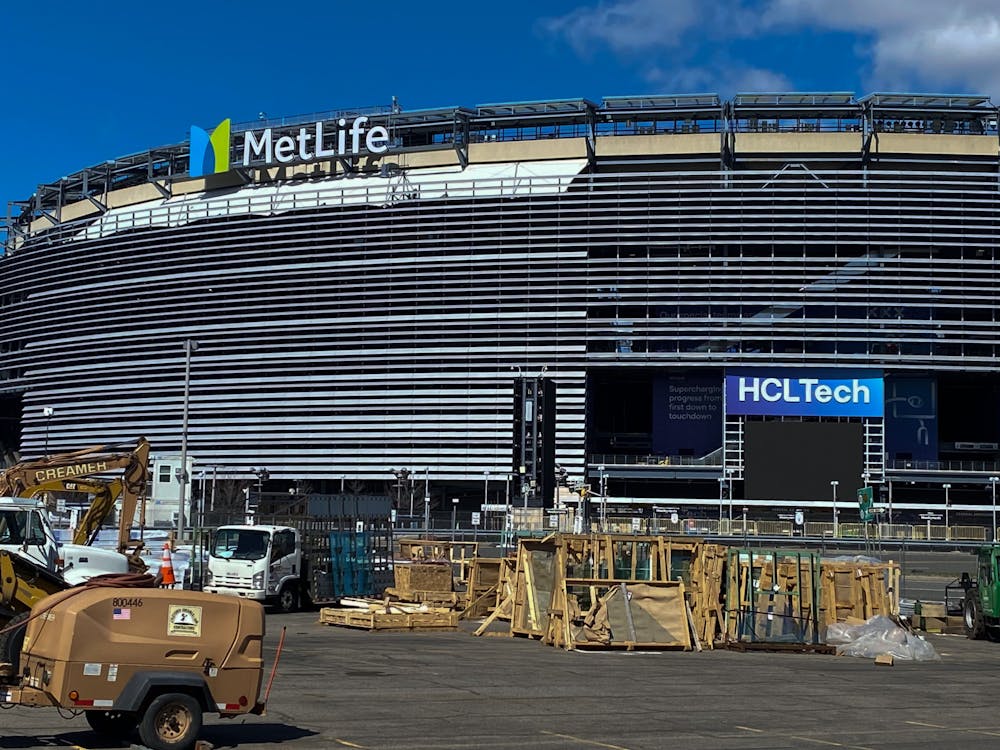
The countdown to the 2026 FIFA World Cup is underway, but excitement across New Jersey and New York is beginning to be tainted with concern. What started as a conversation about soccer’s global impact has shifted toward cost and accessibility.
At the center of the conversation is transportation. On April 17, NJ Transit announced that train tickets to matches at MetLife Stadium will cost $150.
High match ticket prices are also prompting discussion, with ticket prices surpassing those of major events like the Super Bowl.
FIFA is not funding transportation directly, leaving New Jersey Transit with a reported $48 million bill which the high ticket prices are aiming to offset, according to an X post from Gov. Mikie Sherrill.
“FIFA should pay for the rides, but if they don’t, I’m not gonna let New Jersey commuters get taken for one,” Sherrill said in a video posted to X.
Seton Hall students weighed in on the conversation, expressing their concerns about affordability and accessibility.
Jordan Sims, a senior visual and sound media major, said the price of train tickets is “ridiculous.”
“I do not think your average fan can afford that plus tickets to the game,” Sims said.
Freshman sports media major Tyler Seabrease echoed Sims’ sentiment, saying the rise in prices “crosses a line.”
“Public transit is supposed to be the affordable option, especially for locals,” Seabrease said. “When it costs too much to get to the venue, it shifts the event away from being something broadly accessible and towards upper class individuals who can realistically afford these prices.”
Beyond accessibility, students raised concerns about the monetization of athletics and the effects the high ticket prices will have on fans’ spirits.
James Costa, a junior sports media major said the train fare is “disgusting” and that he believes “there will be a significant lack of energy in the stadiums because of the absurd cost of public transit and ticket prices.”
“This problem goes far beyond just the prices, soccer in the United States is one of the most monetized sports in the country,” Costa added.
At a recent panel hosted by Seton Hall’s Center for Sports Media, that tension was made evident. New York/New Jersey FIFA World Cup 2026 Co-City Manager and General Counsel Lauren Nathan-LaRusso acknowledged the challenge of balancing global demand and the needs of local communities.
Nathan-LaRusso said officials are “trying to marry the community and outside engagement.”
That goal becomes harder to achieve as costs continue to rise.
Former U.S. Men’s National defender and Soccer Hall of Famer Alexi Lala posed the World Cup as something bigger than just the matches themselves. It is an opportunity to introduce players and the sport itself to a new audience.
However, if those audiences cannot afford to attend, the impact of that moment is diminished.
For many years, the World Cup will not just be about what happens on the field, but whether fans can afford to even get there.
Jayden Brackett is a writer for The Setonian’s News section. He can be reached at jayden.brackett@student.shu.edu.


